Fair Play Ledger
Refund checker
- Bought
- 3 days ago
- Refund window
- 14 days, under 2 hours played
- Do this
- Request it from your order history now
Next step: Steam refund guide →
Likely refundable
This independent comparison website helps consumers choose the best available gambling product matching their needs. We offer a high-quality advertising service by featuring only established brands of licensed operators in our reviews. Please note that although we endeavour to provide you with up-to-date information, we do not compare all operators on the market.
Gaming consumer rights
Video game consumer rights, one record at a time: check a refund before you ask for it, see which games stopped working after people paid for them, re-price a game in today's money and find where loot boxes are regulated. Every answer comes from a store policy, a law or a published record.
Fair Play Ledger
Refund checker
Next step: Steam refund guide →
Likely refundable
Games that stopped working after people paid for them.
Ubisoft
Offline: 31 Mar 2024
Servers closed; no offline mode; players reported the game removed from their libraries
Players kept: Nothing: the game no longer runs
Source: Ubisoft: An update on The Crew
Void
What the launch price of a new big-budget game is worth once inflation is counted.
= $96.36 in 2024 dollars
Launch price of a standard edition in the year you pick, set against US consumer prices (BLS CPI-U).
Price steps
| From | Launch price | In 2024 $ |
|---|---|---|
| 2005 | $59.99 | $96.36 |
| 2020 | $69.99 | $84.83 |
| 2025 | $79.99 | $77.94 |
$59.99 in 2005 is $96.36 in 2024 dollars, more than the $79.99 asked in 2025.
The rules on paid random in-game items, by country, from strictest to none.
Treated as gambling or banned 1
Banned for minors 1
One mechanic banned 1
Age rating or labelling rule 2
Odds must be published 3
Industry self-regulation only 1
Law proposed, not in force 2
No specific rule 4
A campaign about game prices and game-key cards, documented.
In September 2025 a campaign called Gaming Consumer Rights asked players to boycott the Nintendo Switch 2 over its $79.99 games and game-key cards. Tech outlets in more than ten languages reported on it. These pages document what the campaign argued and what has changed since.
Its front page backed the case with four industry figures: 455 billion in game industry revenue in 2024, 3.3 billion consumers in gaming, 500 people working in a single AAA studio and a 68% drop in high review scores.
It also pointed readers to two news stories. The first reported that The Crew 2 would get an offline mode after pressure from players: Read More. The second covered rising Xbox prices and a rumour that Microsoft might leave hardware: Read More.
Video game consumer rights rest on two layers. The first is the store: Steam, PlayStation, Xbox, Nintendo and Epic each write their own refund policy, and those policies decide almost every case about a game you simply did not like. The second is the law, which decides the cases about a game that does not work and which no store policy can take away. Most of what gaming consumer rights come down to is knowing which of the two layers a problem belongs to.
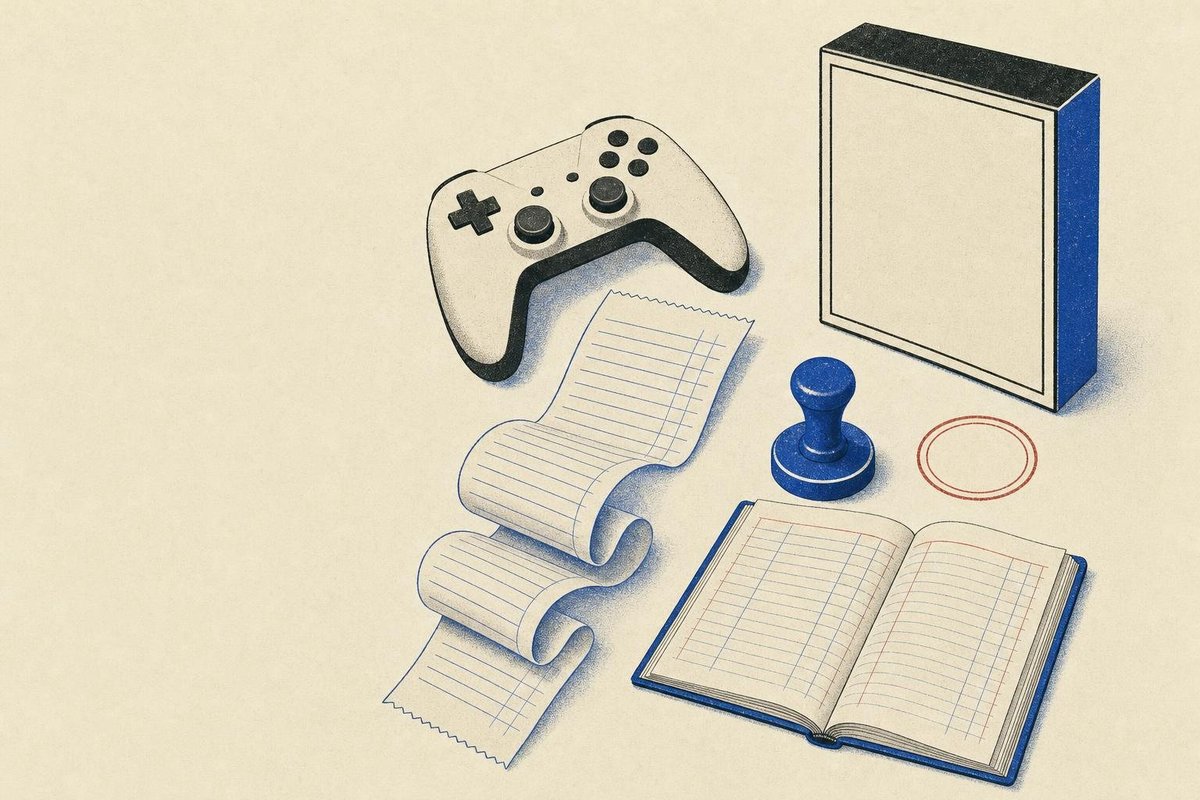
For digital content, the Consumer Rights Act 2015 says a game must be of satisfactory quality, fit for purpose and as described. If it is not, you can ask for a repair or a replacement and then a price reduction. Separately, the Consumer Contracts Regulations 2013 give a 14-day right to cancel an online purchase, which ends once you agree to the download starting. Game refund rights under the Act do not depend on the store's own refund window. Store policies sit on top of these game refund rights; the refund guides set out where each store draws its line.
Game ownership in the digital sense means a licence to play under the store's terms, not a copy you own outright. When a publisher switches off the servers a game depends on, the licence can be worth nothing. The Killed Games record lists 68 games where that happened and what their buyers kept. Physical editions are not always the answer either: a game-key card holds a download key, not the game, which is where most game ownership questions about the Switch 2 started.
Gaming consumer rights are easier to use with evidence. Each record on this site links every line to its source, so a reader can show a store, a publisher or an adviser exactly where a rule or a date comes from. For complaints in the UK, Citizens Advice, Advice Direct Scotland and Consumerline in Northern Ireland give free help, and the CSV files of the Killed Games record and the price report are free to reuse with a link back. The records are updated as video game consumer rights change, through new laws, court rulings and store policies.